Stelios Tzellos | Why the Best Pharma Careers Don't Follow a Straight Line
Stelios Tzellos
There's a standard career map for pharmaceutical professionals. You pick a function: medical, commercial, regulatory, R&D. You climb the ladder within that function. You become a specialist. And by year fifteen, you're very good at one thing and poorly equipped to understand how it connects to everything else the company does.
Stelios Tzellos of the UK didn't follow that map. Born to Greek immigrants in the United Kingdom, he started with a deep academic foundation in science, moved into pharmaceutical consulting, and then crossed into the industry side at one of the world's largest pharmaceutical companies. His career is a case study in why the non-linear path often produces the most valuable professionals.
The Academic Foundation
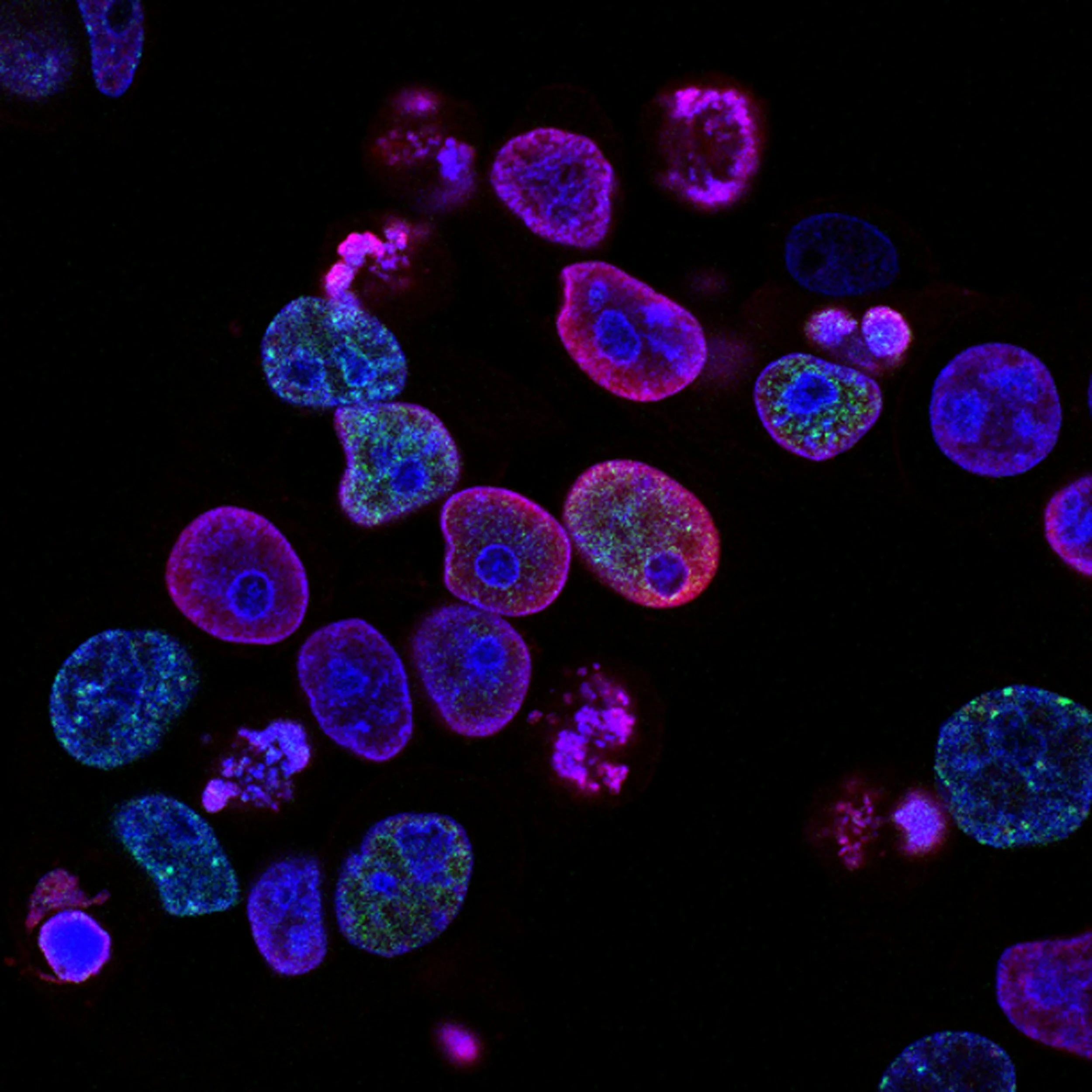
Tzellos studied at Imperial College London, completing his Bachelor's and Master's degrees in Biochemistry before pursuing a PhD in Molecular Biology. His doctoral research focused on Epstein-Barr virus gene regulation and the mechanisms behind the superior transformation efficiency of type 1 EBV.
That research required precision, patience, and the ability to sit with ambiguity. Biological systems don't always give clean answers. A virus doesn't regulate its genes in a way that fits neatly into a slide deck. The tolerance for complexity that Tzellos developed in the lab would prove directly applicable to the messy, multi-variable world of pharmaceutical markets.
But at the time, the connection between molecular biology and commercial strategy wasn't obvious. Most PhD graduates who leave academia go into medical writing, regulatory affairs, or early-stage drug discovery. Moving into market analytics was a less conventional choice.
The Consulting Bridge
Stelios Tzellos joined GlobalData as a healthcare analyst covering oncology and haematology. He built epidemiology models, produced competitive assessments, and developed market forecasts. His work informed industry reports including analyses on Hodgkin's lymphoma treatments and emerging therapies.
Consulting gave him something that neither academia nor industry alone provides: breadth. At GlobalData, he worked across multiple indications and geographies. He learned to synthesize information quickly, identify the commercial implications of clinical data, and communicate complex analyses to non-scientific audiences.
He then moved to IQVIA, advancing through roles in oncology disease insights and the Analytics Center of Excellence. IQVIA expanded his exposure to global pharmaceutical clients and deepened his expertise in forecasting and evidence-based strategy.
The Industry Move
In 2020, Tzellos joined AstraZeneca, where he has held positions in business insights, analytics, and oncology marketing. The transition from consulting to industry is one many people talk about but few execute well. It requires a shift in mindset: from advising to owning, from multiple clients to one portfolio, from short-term projects to long-term strategy.
At AstraZeneca, Tzellos leads cross-functional projects that support product strategy, market planning, and portfolio decision making. His consulting background gives him the ability to structure a problem and present an evidence-based recommendation. His scientific background gives him credibility with medical and clinical teams. The combination makes him effective in a role that requires moving between very different stakeholder groups.
What the Non-Linear Path Gets You
The pharmaceutical industry is slowly recognizing that functional specialists, while valuable, can't solve the problems that sit between functions. Portfolio decisions, launch strategies, and competitive responses all require people who can integrate perspectives from science, analytics, and commercial operations. Those people don't come from a single training ground.
Stelios Tzellos built his career across molecular biology, healthcare consulting, and pharmaceutical industry roles. Each stage gave him something the previous one didn't. The academic years gave him scientific depth. The consulting years gave him commercial breadth. The industry years gave him operational perspective. Together, they produced the kind of professional that pharmaceutical companies need more of.
The straight-line career might look cleaner on a CV. But the winding path is the one that produces the people who can see around corners.